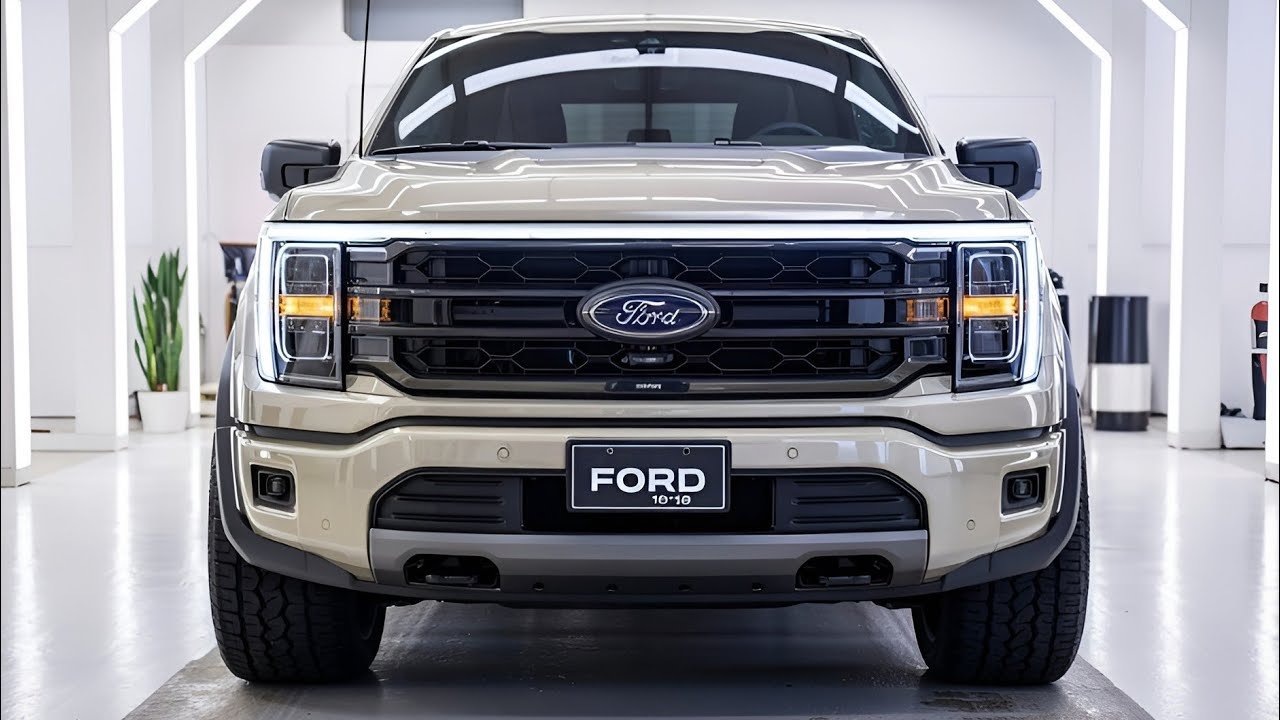
The all-new 2026 Ford F-150 brings some meaningful updates — and also a few controversial pricing decisions that could shape how buyers think about America’s best-selling pickup in 2026. Ford hasn’t completely reinvented the wheel, but it has worked to make the lineup more accessible in a competitive truck market while balancing features, costs, and buyer expectations.
What’s Changed — Tech and Specs That Matter
For 2026, the F-150 doesn’t get a full redesign, but returns with:
 BSEB 12th Result 2026 – Inter Result Date, Expected Release Time & How to Check Full Detail
 JNV 2nd Merit List 2026 Class 6: नवोदय वेटिंग लिस्ट ऐसे चेक करें, कम नंबर वालों को भी मिलेगा मौका!
-
8 trims from work-ready to luxury (XL, STX, XLT, Lariat, Tremor, King Ranch, Platinum, Raptor/Raptor R).
-
A wider spread of engines, including gas V6, hybrid PowerBoost V6, eco-boost V6, and V8 options — keeping power and capability strong.
-
Hybrid drivetrain availability expanded to trims that previously lacked it, giving better fuel economy and tool-powering capability (like Pro Power Onboard) across more levels.
-
More standard tech in every model — including a 12-inch digital gauge cluster and 12-inch SYNC infotainment screen across the lineup.

These changes give even entry-level buyers a more modern feel and better value than before.
Where the “Cheaper” Part Comes In
Electric F-150 Lightning Gets Price Cuts
Perhaps the most talked-about move has been the refreshed 2026 F-150 Lightning EV prices: Ford has trimmed up to $4,000 off certain trims — a direct effort to make the electric version more wallet-friendly as the EV credit incentives fade.
 2026 Green Opel Astra Sports Tourer Hybrid – Interior and Exterior Walkaround 4K
 ईरान की जंग के बीच चीन ने पेट्रोल-डीजल के एक्सपोर्ट पर लगाई रोक, भारत में क्या होगा असर?
-
STX EV replaces the old XLT and starts around $63,345, offering stronger performance and range than before.
-
Mid trims like the Lariat Lightning see modest cuts.


This is good news if you were waiting for a more affordable full-size electric pickup — or if you wanted Lightning without sacrificing gear or capability.
But Some Costs Still Bite
Base gas models like the XL still start slightly higher than before — edging up modestly over 2025 prices.
⚙️ Some features (like advanced HUD or certain desirable options) are now extra on trims where they were once included, nudging total cost up. (Owner reports also suggest certain features like keypad entry remain optional on some trims.)
In other words: while Ford appears to be chasing affordability at face value, the real buying experience may not be as cheap once options are added.
Good and Bad: A Honest Breakdown
What’s Better
- More tech standard across trims — even cheaper F-150s feel modern.
- EV price cuts might finally make full-size electric trucks a real choice for more Americans.
- Hybrid availability expands, improving efficiency and versatility.
What’s Worse
- Base prices creeping up on traditional trims — especially when options are added.
- Some desirable features now cost more or are optional.
- The F-150 still isn’t cheap compared to smaller trucks — value gains may feel incremental. (See current pickup price trends.)
Should You Buy a 2026 F-150?
If value + tech + capability is your priority, the 2026 F-150 delivers better standard equipment than before — and the new EV pricing helps lower the barrier for electric truck buyers.
But if you’re watching every dollar, be ready for options to add up quickly, and consider comparing 2025 inventory deals (which dealers may discount to clear old stock).
Final Word — Better for More Buyers, But Not a Slam Dunk
Ford played a smart game with the 2026 F-150 lineup: keep what owners love, add more tech as standard, and lean into price competitiveness where it counts — especially with the Lightning EV. But a few pricing shifts and optional-feature traps still make the “cheaper” label a nuanced one. If you’re in the U.S. market for a full-size pickup in 2026, the new F-150 deserves a close look — just be sure you compare trims and options before signing on the dotted line. 🇺🇸