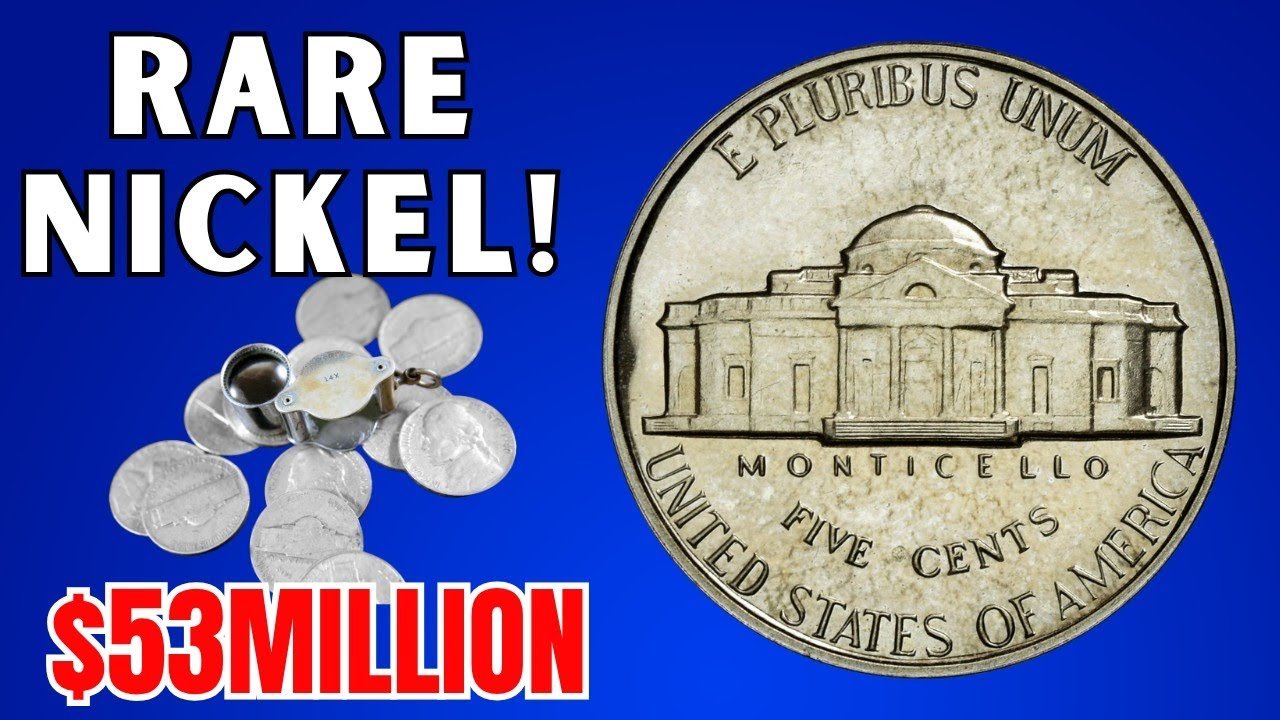
If you’re like most Americans, your pockets are probably full of loose change, forgotten in drawers, or tucked away in old jars. But what if one small coin could actually be worth thousands or even millions of dollars? Believe it or not, a simple nickel error could make you a millionaire—and collectors are paying top dollar for rare mistakes.
Why Some Nickels Are Worth Millions
Coins aren’t just currency—they’re pieces of history. Errors occur during the minting process, making some coins extremely rare and valuable. The U.S. Mint produces billions of coins each year, but occasionally, a coin with a mistake in design, date, or metal composition slips through quality control.
 Honda Civic 2026 Revealed: Sleek Design, Advanced Technology & Exceptional Performance
 CTET 2026 Answer Key LIVE Updates:सीटीईटी आंसर-की ctet.nic.in पर जल्द होगी जारी, ऐसे करें चेक और डाउनलोड
Nickels, in particular, are prone to certain types of errors:
-
Double Die Nickels – Where the design is stamped twice, creating a visible double image.
-
Off-Center Strike – Coins where the design is not properly centered.
-
Wrong Planchet Errors – Nickels struck on the wrong metal disc, like copper or zinc.
-
Clipped Planchet – Part of the coin is missing due to a manufacturing mishap.




These errors can be extremely rare, and collectors are willing to pay thousands, even millions, for the right coin.
 यूपी बोर्ड परीक्षा की नई गाइडलाइंस, परीक्षार्थियों के लिए नए नियम लागू UP Board Exam New Guidelines
 TVS Jupiter CNG 2026 Finally Launched | Mileage King Scooter Hits Indian Roads
The Famous Million-Dollar Nickel Errors
History is full of stories where ordinary nickels turned into treasures:
-
The 1937-D “Three-Legged” Buffalo Nickel is a famous error coin missing one of the buffalo’s legs, valued at $1.7 million in auctions.
-
1950-D Double Die Nickel errors have sold for over $100,000.
-
Even modern nickels from the 2000s can be valuable if the error is rare enough.


Collectors and investors are constantly hunting for these coins, making even a forgotten nickel potentially life-changing.
How to Check Your Nickels for Errors
You don’t need to be a coin expert to spot a valuable nickel. Start by looking for:
-
Date Mistakes – Compare the year on your nickel with standard minting images. Any unusual font, spacing, or doubling could indicate a rare error.
-
Design Errors – Look for missing details, like parts of the buffalo, Jefferson’s face, or lettering mistakes.
-
Unusual Metal – If the coin feels lighter, heavier, or different in color, it might have been struck on the wrong planchet.
-
Shape Issues – Off-center strikes or clipped planchets are often easy to spot.
If you find a coin that looks unusual, take a high-resolution photo and check online databases like PCGS or NGC to see if it’s a rare error.
Why This Could Be Your Chance
Millions of Americans ignore their coins every day. Some of these ordinary nickels could actually be worth hundreds of thousands of dollars—or even millions if they have rare minting errors. A coin you find in your couch cushions, your car, or an old jar of coins could potentially be a jackpot.
With online marketplaces like eBay, collectors are ready to pay top dollar for verified error coins. Even small mistakes can sell for surprisingly high prices.
What to Do Next
-
Gather Your Coins – Empty your drawers, piggy banks, and jars.
-
Inspect Carefully – Look for date or design errors using a magnifying glass.
-
Research – Use coin collector websites or auction databases to identify potential value.
-
Get it Graded – If you find a potential error, professional grading can maximize its value.
-
Sell Smart – Platforms like eBay, Heritage Auctions, or local coin shops can connect you with serious buyers.
Don’t underestimate the coins you already have. That old nickel in your pocket might just be worth more than your paycheck this month.
Key Takeaway
Rare coin errors are more than just collectible—they’re a potential financial windfall. If you’ve never checked your coins, today is the day. One simple nickel error could make you a millionaire. Start digging through your change—you might just strike gold.