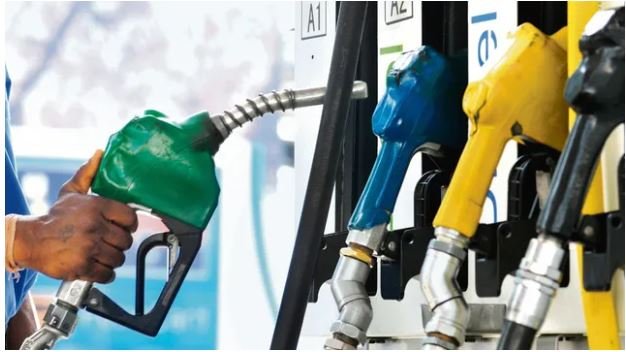
Rising fuel prices could soon hit Indian consumers again. According to projections by the Centre for Economics and Market Studies (CEMSE), petrol and diesel prices may increase by up to 15% from April 2026, raising concerns about inflation, transport costs, and daily expenses.
Here’s a complete, Google Discover–friendly breakdown of the situation, latest updates, and what it means for you.
 2026 Bajaj Pulsar 125 LED Single Seat – Full Details, Review & On-Road Price
 CBSE Class 12 2026 Biology Question Paper with Solutions PDF – Available Here
Current Fuel Price Situation in India
As of now, there is no increase in regular petrol and diesel prices for consumers across India. Prices have largely remained stable despite global pressure.
- Petrol in Delhi: around ₹94–95 per litre
- Diesel in Delhi: around ₹87–88 per litre
- Prices unchanged for common users since 2024
However, there are early warning signs:
 Bihar Board 10th Result 2026 Name-wise: Know How to Check Results Online
 CTET February Result 2026 LIVE: आज जारी होगा रिजल्ट, जानिए पासिंग मार्क्स, वैलिडिटी और चेक करने का तरीका
- Premium petrol prices increased by ₹2–₹2.35 per litre
- Bulk diesel prices surged by nearly ₹22 per litre (≈25% hike)
👉 This shows that price pressure is already building behind the scenes.
Why CEMSE Predicts a 15% Price Hike
Experts believe several global and domestic factors could trigger a major price rise from April 2026:
 BSEB Bihar Board 12th Result 2026 LIVE: यहां चेक करें बिहार बोर्ड 12वीं का रिजल्ट, डायरेक्ट लिंक यहां
 RBSE 10th Result Big Update 2026: राजस्थान बोर्ड 10वीं रिजल्ट को लेकर बड़ा अपडेट, जानें कब आएगा रिजल्ट और कैसे करें चेक
1. Global Crude Oil Surge
- Crude oil prices have crossed $100 per barrel due to geopolitical tensions
- Middle East conflicts are disrupting supply routes
2. Supply Chain Risks
- Strait of Hormuz (major oil route) faces uncertainty
- Any disruption can sharply increase import costs
3. Rupee Weakness & Inflation Pressure
- A weaker rupee makes oil imports more expensive
- Political leaders have already warned of post-election inflation spikes
4. Industrial Fuel Cost Spike
- Bulk diesel already up by ~25%
- Industries may pass costs to consumers → inflation
What a 15% Hike Means (Estimated Impact)
If the projection becomes reality, here’s what prices could look like:
| Fuel Type | Current Price (₹/L) | After 15% Hike (₹/L) |
|---|---|---|
| Petrol | ₹95 | ₹109–₹110 |
| Diesel | ₹88 | ₹101–₹102 |
👉 This would be one of the biggest fuel price jumps in recent years.
 Bihar Board 12th Topper 2026: बेटियों का फिर दबदबा, टॉपर्स लिस्ट जारी | Bihar Board Inter Result 2026
 2026 Toyota Sienna LE – The Smartest Family Hybrid Minivan Redefining Comfort and Style
Impact on Common People
A fuel price hike doesn’t just affect vehicle owners — it impacts the entire economy:
Daily Commuters
- Higher petrol cost = expensive travel
- Ola/Uber fares likely to increase
Food & Essentials
- Transport cost rise → higher vegetable & grocery prices
Businesses
- Logistics & manufacturing costs increase
- Small businesses may struggle
Inflation
- Fuel is a key driver → overall inflation may rise sharply
Government’s Current Stand
- Government has not yet increased retail fuel prices
- Oil companies are currently absorbing global price shocks
- Focus remains on protecting consumers from sudden hikes
But experts warn:
👉 If crude oil stays high, price revision may become unavoidable.
 Nokia 5G Smartphone Launched: 320MP Camera, 7200mAh Battery at Just ₹5,599
 BSEB 12th Result 2026 – Inter Result Date, Expected Release Time & How to Check Full Detail
When Could Prices Increase?
- Expected timeline: April 2026 onwards
- Possible trigger:
- Global oil staying above $100
- End of election-related price stability
- Rising import bills
Final Analysis
While the 15% fuel price hike is still a projection, current trends strongly support the possibility:
- Industrial diesel already expensive
- Premium petrol prices rising
- Global crude oil unstable
👉 For now, consumers are safe — but April 2026 could bring a major price shock.
Disclaimer
This article is based on projections, news reports, and expert analysis. Actual fuel prices may vary depending on government policies, global crude oil rates, and market conditions.